
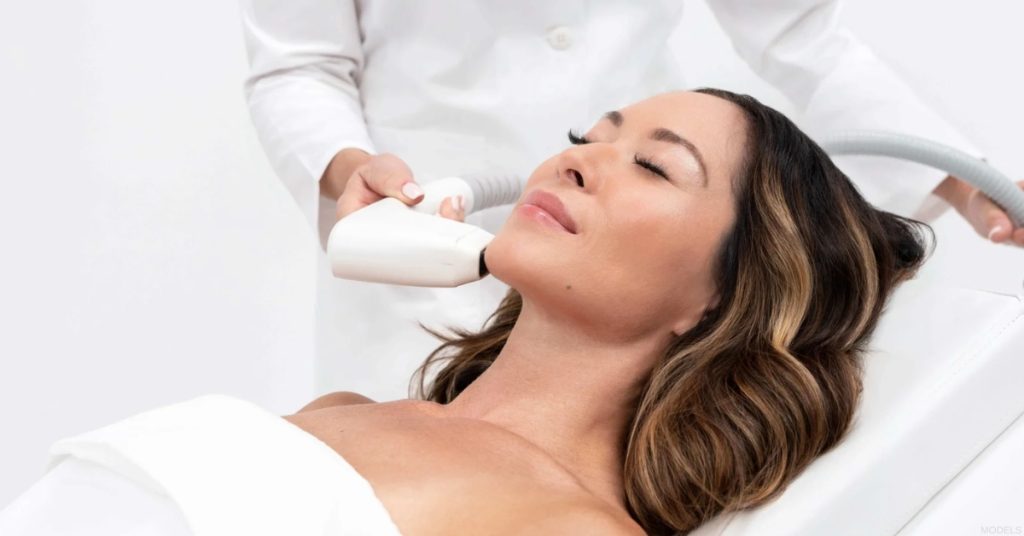
Laser skin resurfacing remains one of the most reliable ways to refresh your skin—softening lines, smoothing texture, and restoring a clearer, more youthful look. Because every laser works differently, and everyone heals differently, the recovery experience varies. Still, most people follow a predictable pattern of recovery. By understanding the laser skin resurfacing healing process, you’ll know what to expect, how to care for your skin, and when your results will truly begin to shine.


What To Expect Right After Laser Treatment
No matter which laser you choose, early healing tends to share certain symptoms:
- Redness and warmth (similar to a sunburn)
- Mild to moderate swelling
- Tightness or sensitivity
- Darkening of pigment or “peppering” for pigmentation-focused treatments
The intensity of these symptoms depends entirely on the laser used. Harsher ablative lasers typically create more pronounced early side effects, while non-ablative laser treatments usually produce mild, short-lived symptoms.
During this period, moisturizing and protecting the skin is essential, as well as strict sun protection and only the gentlest of skincare.
Healing Timelines by Treatment Type
Let’s break down recovery timelines based on our most popular laser skin resurfacing treatments:
UltraClear Laser Skin Rejuvenation
UltraClear is a customizable laser treatment that combines the benefits of laser skin resurfacing and laser skin rejuvenation, resulting in glowing, revitalized skin.
- First 24 to 48 Hours
Expect mild redness, swelling, and a warm sensation. Initially, makeup is avoided, and hydrating the skin is key. - Week 1
Light flaking begins around days 2 to 4. Skin may appear pink and feel tight, but most patients resume normal activities within 48 to 72 hours. - Week 2
Pinkness fades, and texture becomes noticeably smoother. Most aftercare restrictions are lifted. - Weeks 3 to 4
Skin looks brighter and clearer as early collagen remodeling begins. - 1 Month+
Improvements continue for several months as collagen production increases.
Light & Bright Skin Resurfacing
The Light & Bright treatment is one of the most popular rejuvenation options at Advanced Aesthetics because it combines two proven technologies: Frax 1550 non-ablative fractional laser and Ellipse IPL. This combination improves texture, brightens skin tone, and reduces redness with minimal downtime.
- First 24 to 48 Hours
You may notice mild redness, warmth, and a tight or itchy sensation as your skin begins to respond to the treatment. Makeup is avoided during this period, and keeping the skin moisturized is essential. Avoid strenuous exercise and protect your skin with a sunscreen with SPF 30 or higher. - Week 1
Dryness, light itchiness, and sloughing are normal as old skin begins to shed. Some areas may temporarily darken before flaking away. Moisturizer helps minimize discomfort, and makeup can be used to camouflage redness or darkened pigment. - Week 2
Skin tone begins to look more even, with visible lightening of hyperpigmentation and a reduction in redness. Texture feels smoother as collagen stimulation increases. - Weeks 3 to 4
- Improvements continue, including brighter overall clarity. After a series of treatments, patients experience noticeable improvements in tone, vascular appearance, and texture.
Pico Laser Treatments
PicoSure® and PicoWay® Resolve lasers emit quick pulses of laser energy to resurface the skin while stimulating collagen production. They’re especially effective for tattoo removal and the treatment of acne scars.
- First 24 to 48 Hours
Redness and light swelling are common. Pigmented spots may appear darker temporarily. - Week 1
Light flaking or dryness may occur for a few days as the pigment begins to lift. Skin tone starts to brighten. - Week 2
Most visible signs of healing are now complete, and the skin texture appears more even. - Weeks 3 to 4
Hyperpigmentation continues to improve. Collagen stimulation enhances smoothness. - 1 Month+
Full results appear gradually, especially when performed as part of a treatment series.
Laser Skin Resurfacing Healing Comparison
| Treatment Type | First 24–48 Hours | Week 1 | Week 2 | Weeks 3–4 | 1 Month+ | Downtime Level |
| UltraClear Laser | Mild redness, warmth, light swelling | Light flaking; pink tone | Texture smooths, pinkness fades | Brighter, clearer skin | Increasing collagen improvement | Minimal |
| Light & Bright Treatment | Mild redness, warmth, tightness or itchiness | Dryness, sloughing; temporary darkening of pigment | Tone brightens; less redness; smoother texture | Continued improvement in lines, redness, pigmentation | Best results after a series of treatments | Low to Moderate |
| Pico Laser | Mild redness and swelling; pigment may darken | Light flaking; pigment begins lifting | Most visible healing complete | Continued brightening | Optimal after a series of treatments | Very Minimal |
How Long Until You See Results?
You may notice early improvements within a few days to a few weeks, but full results depend on the type of treatment:
- UltraClear: visible improvements within a few days, increasing over 1 to 3 months
- Light & Bright: gradual changes begin within 1 to 2 weeks, with more significant texture and pigmentation improvement after multiple treatments
- Pico laser: steady brightening after each session
- Non-ablative rejuvenation: optimal results appear progressively over several weeks
Regardless of the laser used, protecting your investment, especially with strict sun avoidance and consistent skincare, is key to achieving long-lasting results.
What Is Non-Ablative Laser Skin Rejuvenation?
Non-ablative laser skin rejuvenation is a gentle laser treatment that heats the deeper layers of the skin to stimulate collagen production without removing or vaporizing the surface. Because the outer skin remains intact, recovery is quick, making it a popular option for improving fine lines, texture, mild scars, and early aging changes with minimal downtime. Results develop gradually as new collagen forms, creating smoother, firmer, more even-looking skin over time.
Ablative vs. Non-Ablative Laser Skin Resurfacing Healing
Both ablative and non-ablative lasers rejuvenate the skin, but their healing experiences differ significantly.
- Ablative lasers remove the outer layer of skin, creating a controlled wound that requires more downtime. Healing involves significant peeling, redness, and a longer recovery period with more dramatic results.
- Non-ablative lasers keep the skin’s surface intact, resulting in significantly less downtime. Redness, mild swelling, and a temporary rough texture are common, but most patients return to normal activities quickly and see improvement over several weeks.
Non-ablative resurfacing offers a balance of effectiveness and convenience, making it a popular option for people who want noticeable improvement without a long recovery.
Ready To Take the Next Step Toward Fresher Skin?
If you’re ready to smooth, brighten, and rejuvenate your skin, our expert team is here to guide you through every step of the process. Request a consultation using the online form or contact us by phone at (208) 676-8346 to explore your options.
Leave a Reply